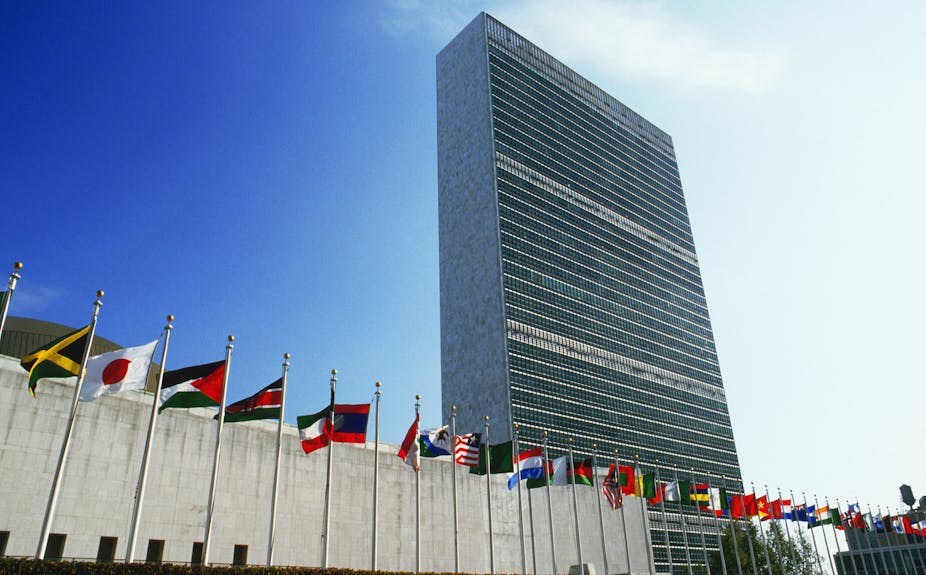
The United Nations Security Council adopted a U.S.-drafted resolution marking the third anniversary of Russia’s invasion of Ukraine. The resolution, signaling President Donald Trump’s shift in U.S. policy, takes a neutral stance, contrasting with the Biden administration’s strong support for Ukraine.
Russia’s U.N. Ambassador Vassily Nebenzia welcomed the "constructive changes" but acknowledged the resolution was only a starting point for future peace efforts. The Security Council, long deadlocked due to Russia’s veto power, passed the resolution with 10 votes in favor. France, Britain, Denmark, Greece, and Slovenia abstained, while Russia voted in favor after blocking European attempts to add pro-Ukraine language.
The resolution expresses sorrow for lives lost in the “Russia-Ukraine conflict,” emphasizes the U.N.'s role in maintaining peace, and urges a swift resolution. Unlike Security Council resolutions, General Assembly resolutions are non-binding but hold political weight. The U.S. failed to pass the same resolution in the General Assembly, where Ukraine and European allies secured diplomatic wins with amendments reinforcing support for Ukraine’s sovereignty.
Britain’s U.N. Ambassador Barbara Woodward stressed that peace must not equate to rewarding aggression, while France emphasized the need for a just resolution rather than Ukraine’s capitulation. Ukrainian Deputy Foreign Minister Mariana Betsa reaffirmed the war was about defending the right of nations to exist free from aggression.
The General Assembly approved two resolutions—one led by Ukraine and Europe, and a U.S. proposal modified to include support for Ukraine. The U.S.-amended text secured 93 votes, while Russia failed to add language on the "root causes" of the conflict. With Ukraine’s future at stake, global divisions on the war persist as diplomatic efforts continue.